
You can purchase tickets for the second concert, which will take place on May 21, 2026, here.
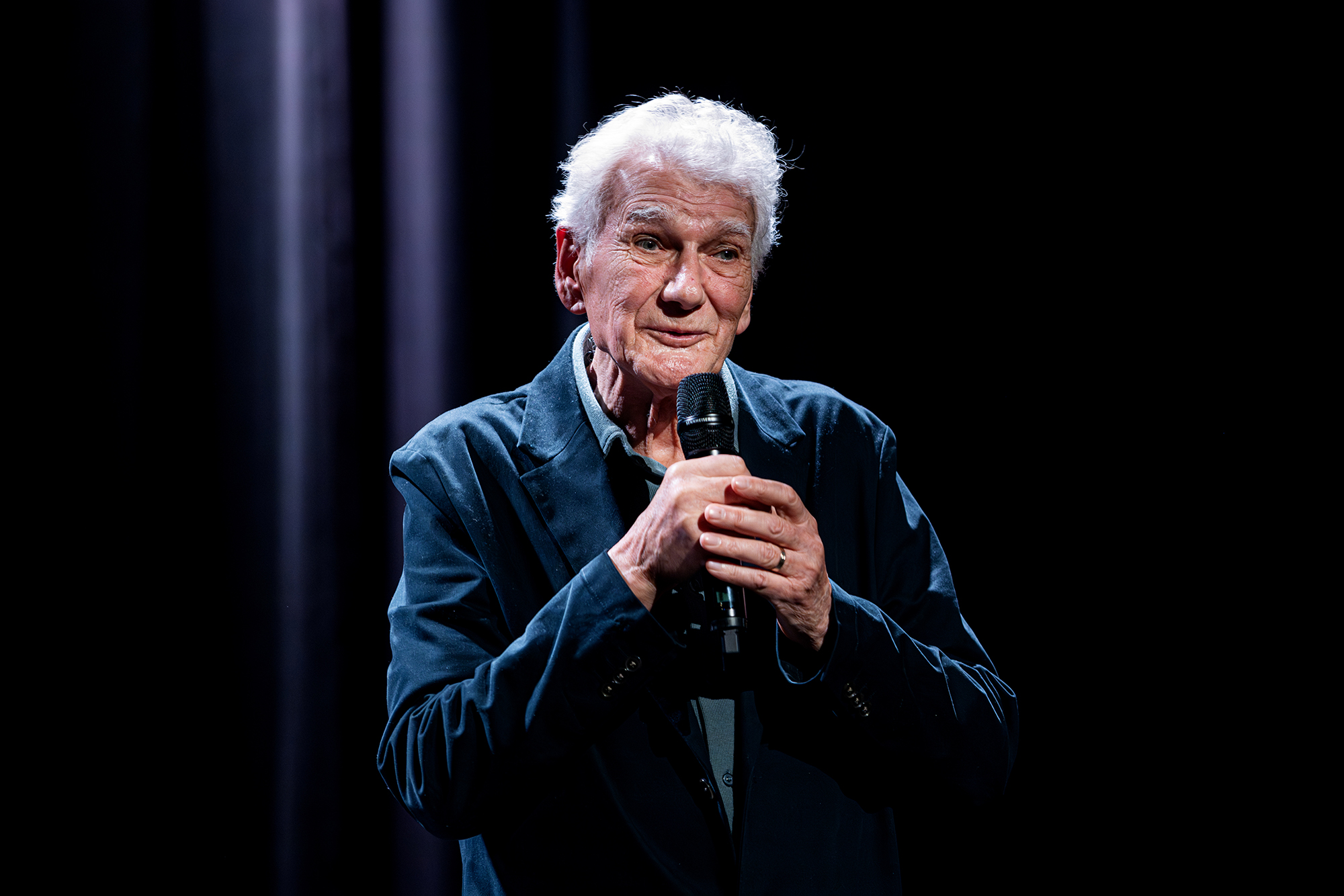
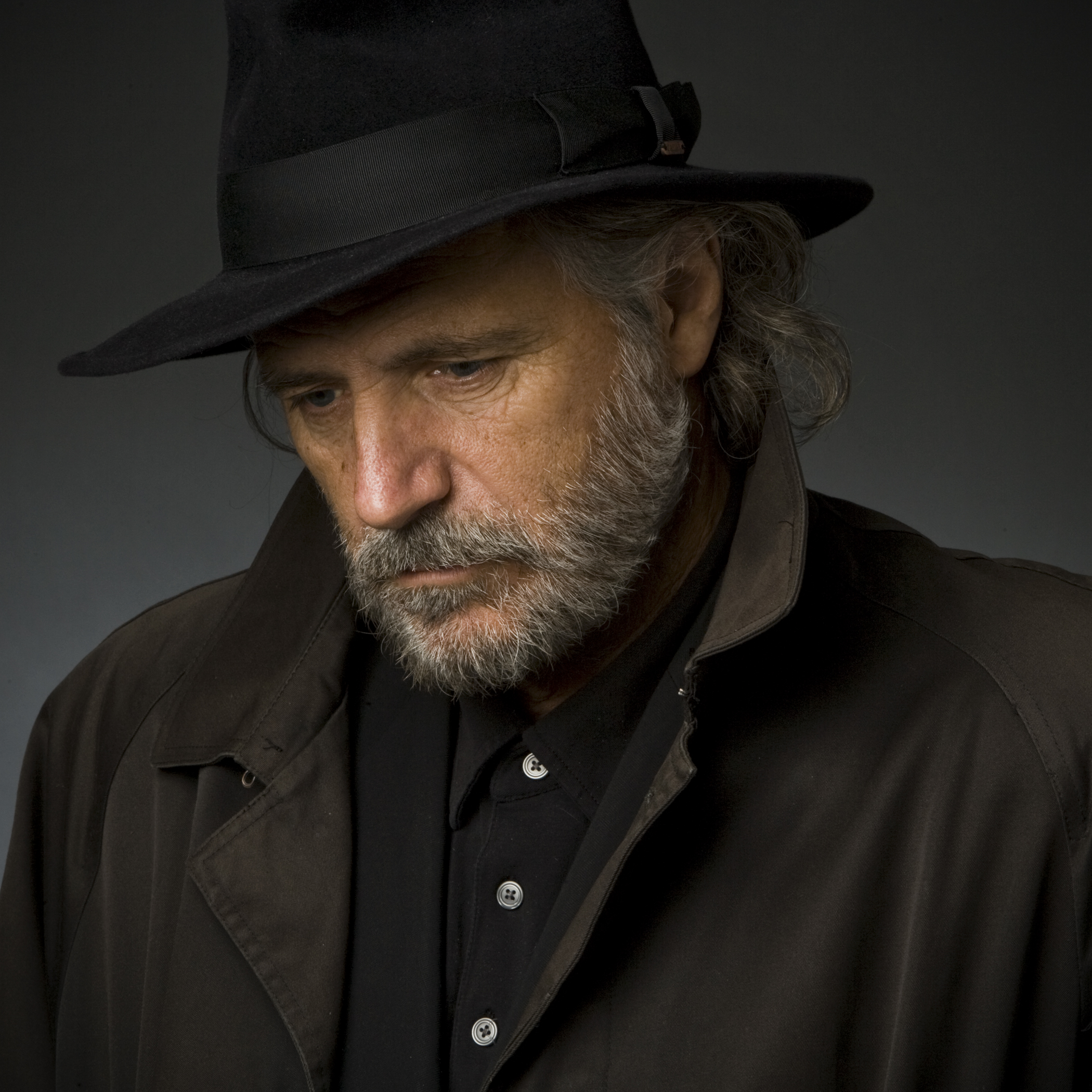
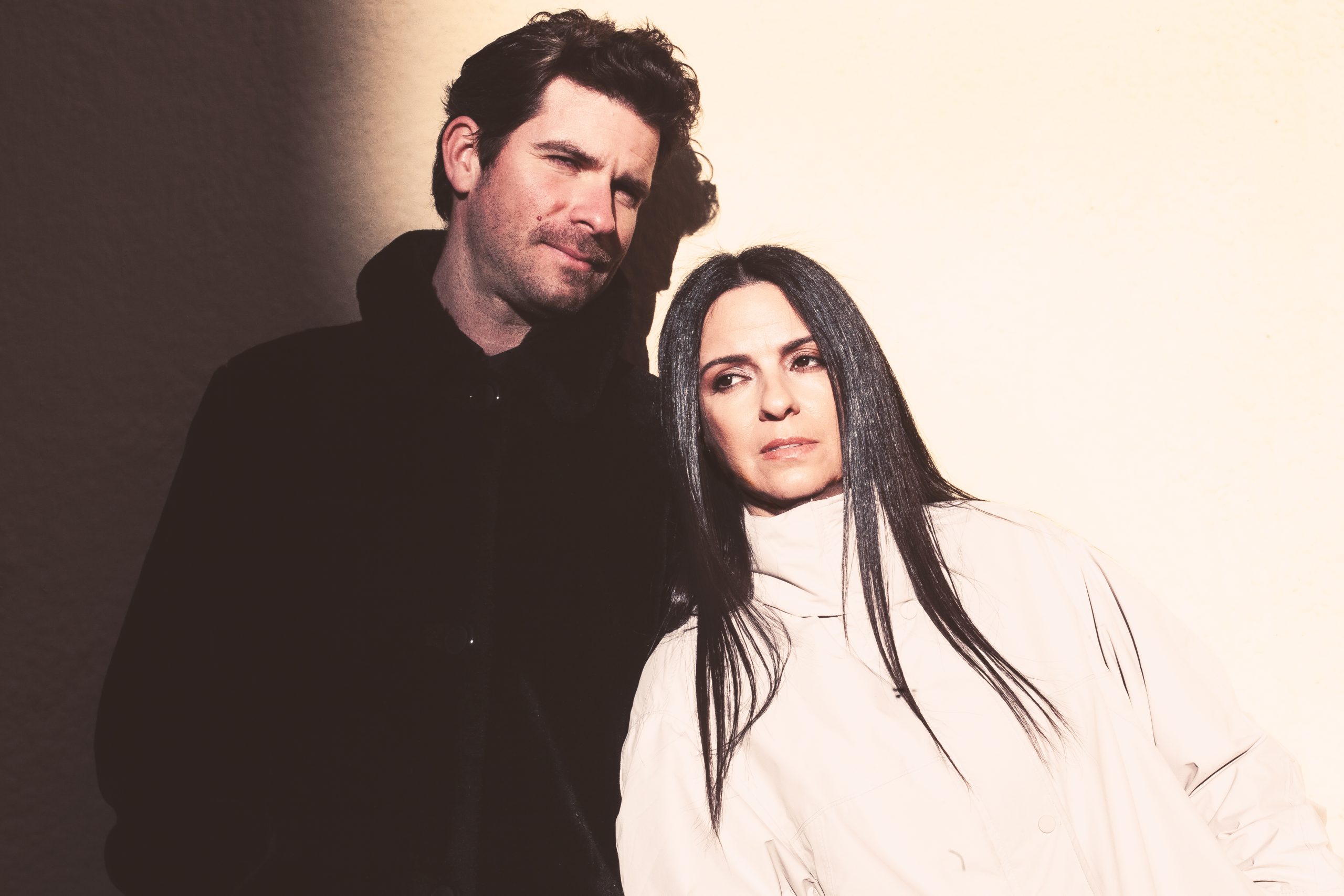
Lina_, voice
Marco Mezquida, piano
Fado is not just a historical rudiment or a static musical genre; it began to develop in Lisbon in the early 19th century as a sung poetic expression that emerged from the socioeconomic margins of the city. Its early narratives are inextricably linked to themes of prostitution, crime, Portuguese colonial expansion, and the musical heritage of the Moors, only to be embraced by the higher social classes later. At its roots, fado also bears traces of the Afro-Spanish dance fandango , as well as Afro-Brazilian dance forms such as lundum and fofa.
A typical, stripped-down performance of fado relies on a fadista (male or female singer) accompanied by a guitarra (Portuguese guitar). In this intimate constellation, the vocals often hover on the very edge of sobs, while the specific vibration of the Portuguese guitar creates the impression that the instrument itself is crying ( gemer ). As contemporary ethnomusicological research emphasizes, such a lively urban practice is permeated with a strong affective politics. Through the prism of the phenomenon of saudade – a term that over time has ideologically come to denote not only emotion but also history and the very “essence of the Portuguese soul” – fado creates an unbreakable bond between body and soul through sound itself. In this sonic materialization of historical heritage, a performance of fado regularly calls for an immediate bodily response from the listener; as fado devotees themselves often point out, in moments when the performance deeply moves them, their skin tingles, or goosebumps ( pele de galinha ). Fado thus becomes a direct, lived bodily experience, a musical language that communicates beyond mere text.
Although the history of fado records numerous performers, the most profound mark was left by the legendary Amália Rodrigues, whose influence as a mythical figure is now omnipresent on the streets, altars and in homes across Lisbon. Today, fado lives an extremely dynamic life, coexisting simultaneously in informal amateur spaces such as local tascas , in commercial casas de fado aimed at tourists and in elite art halls. Although in the early 2000s there was a tendency towards its institutionalization in the form of teaching – to which many traditional and amateur singers express resistance – fado remains a living, intergenerational practice. Everyone participates equally in it, from four-year-olds to experienced octogenarians, thus confirming fado as an eternal and intangible essence of Portuguese identity.
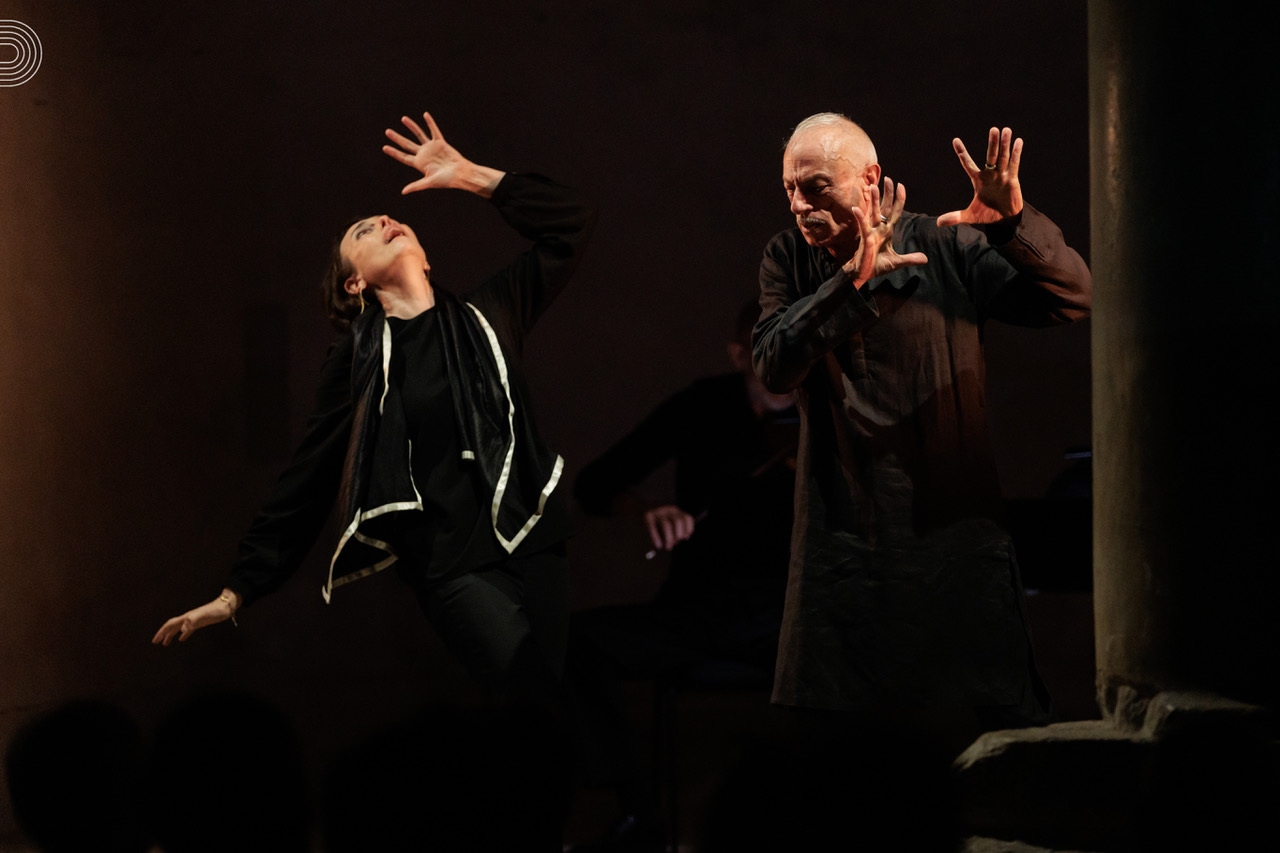
On the foundations of this living tradition, the recent artistic encounter between Portuguese fado singer LINE_ and acclaimed Spanish jazz pianist and composer Marco Mezquida is born . Their joint project and album O Fado brings us a rare and subtle musical dialogue. This duo brings us a rare and subtle musical dialogue born of mutual empathy and admiration, in which two completely different artistic languages come together under the umbrella of fado.
This concert repertoire draws on material from their album O Fado , bringing a fluid and organic fusion in which classic, given forms are given new, unexpected contours. As critics write, the key to the success of this project is in the exceptional synergy of the two artists and the treatment of dynamics. Here, the piano does not simply take on the role of accompaniment; Mezquida and LINA_ function as two equal soloists in a duet, adapting the expression to each individual composition. Strong dramatic arcs, in which powerful voice and robust piano passages intertwine, almost imperceptibly then flow into fragile moments of silence.
Mezquida, according to the artist herself, brought an extraordinary lightness to her music, treating the piano not just as an instrument but as an organic extension of her voice, which allows her to vocally “float” and feel deeply heard. On the other hand, he recognizes her interpretation as primal, emphasizing that collaborating with her is like playing with a “poetic instrument.”
The program will feature a number of Lina's original compositions, music for verses by prominent Portuguese poets such as Florbela Espança and Miguel Torga, as well as fresh, unexpected interpretations of classics. Compositions such as Fado da Defesa (made famous by Maria Teresa de Noronha), the traditional Senhora do Almortão , and even the famous Amálian march Lisboa dos Manjericos , are given a completely new look in Mezquida's arrangement. At the same time, excursions into the Spanish repertoire through compositions such as No volveré and El Rosario de mi Madre testify to the versatile habitus of these musicians. Their interpretation does not attempt to transfer the affects of fado to another tradition, but rather proves that they can immerse themselves in completely different musical worlds with equal respect, depth, and power, without compromising its intimate essence.
This concert offers the Split audience, who have already had the opportunity to enjoy various editions of fado, a poetically inspired vision of this fascinating Iberian tradition. In it, voice and piano are heard outlining the space in which fado lives in a completely different guise.
LINA_ is one of the most authentic vocal figures on the contemporary fado scene. She began her musical education very early, performing in the opera choir ( Círculo Portuense de Ópera ) and studying at the Music Conservatory in Porto. However, her passion for the fado tradition and the work of the legendary Amália Rodrigues directed her expression in a different direction. After the notable albums Carolina (2014) and EnCantado (2017), her career experienced an international take-off in collaborations with established producers (such as Raül Refree), and especially with the album Fado Camões (2024). This release brought her first place on the European world music charts and the prestigious award from the German record critics for the best album of the year in the same category. Always in search of new expressive possibilities, LINA_ enriches each of her performances with uncompromising sincerity and a deep understanding of the subject matter.
Marco Mezquida is considered one of the most brilliant and versatile musicians on the contemporary European jazz scene. In his rich work, he successfully synthesizes diverse influences with incredible ease and a penetrating sound – from jazz, free improvisation and classical music to Spanish and Iberian musical heritage. His exceptional productivity is evidenced by an impressive opus with dozens of recorded albums and numerous performances in more than 40 countries around the world. He has received a number of awards, among which the prestigious BMW Welt Jazz Award (2022) stands out. In addition to continuous solo performances and collaborations in various chamber ensembles, he regularly composes for theater and film productions and collaborates with symphony orchestras, bringing to each project a recognizable lightness, intensity and exceptional musical creation.