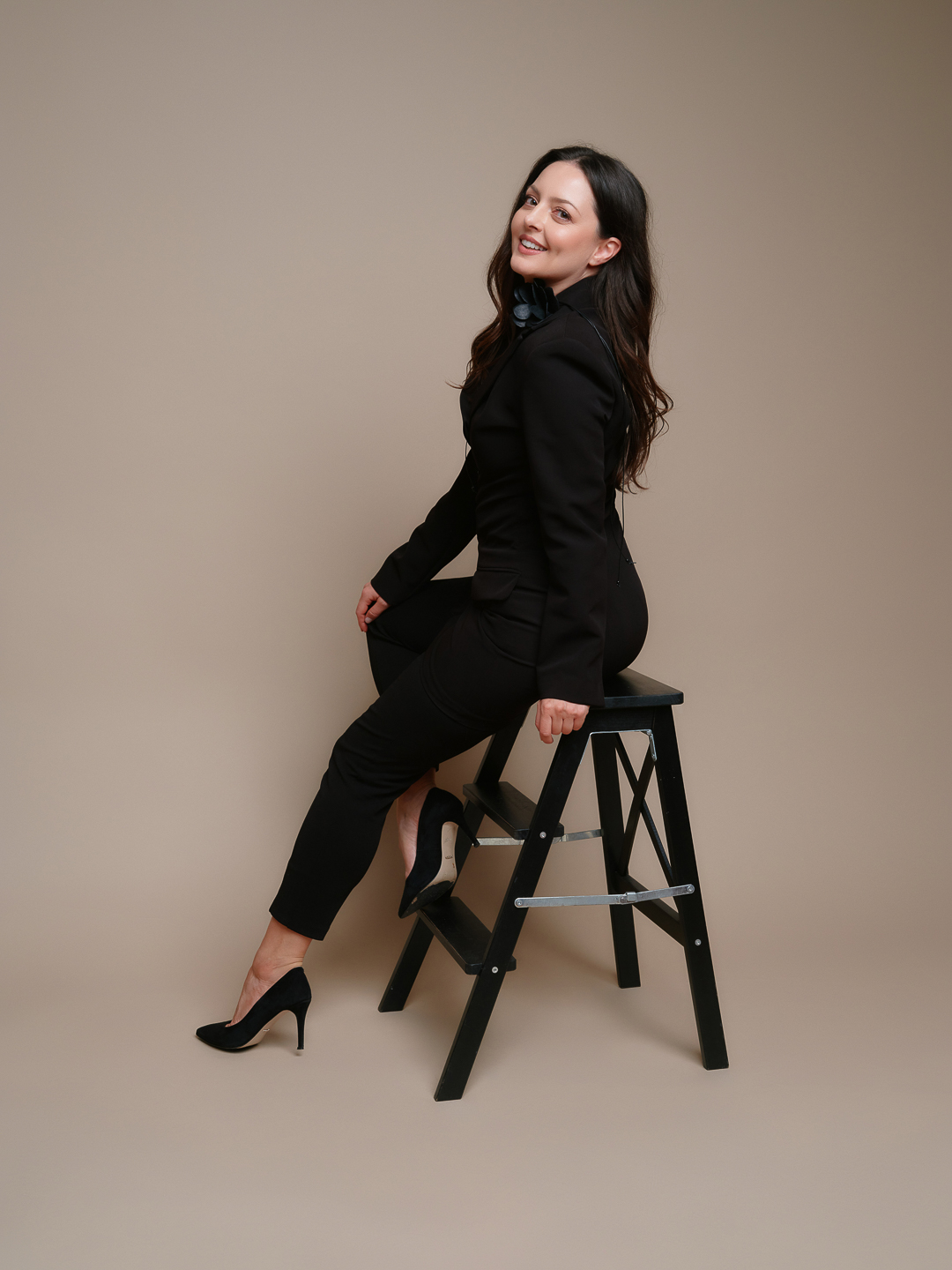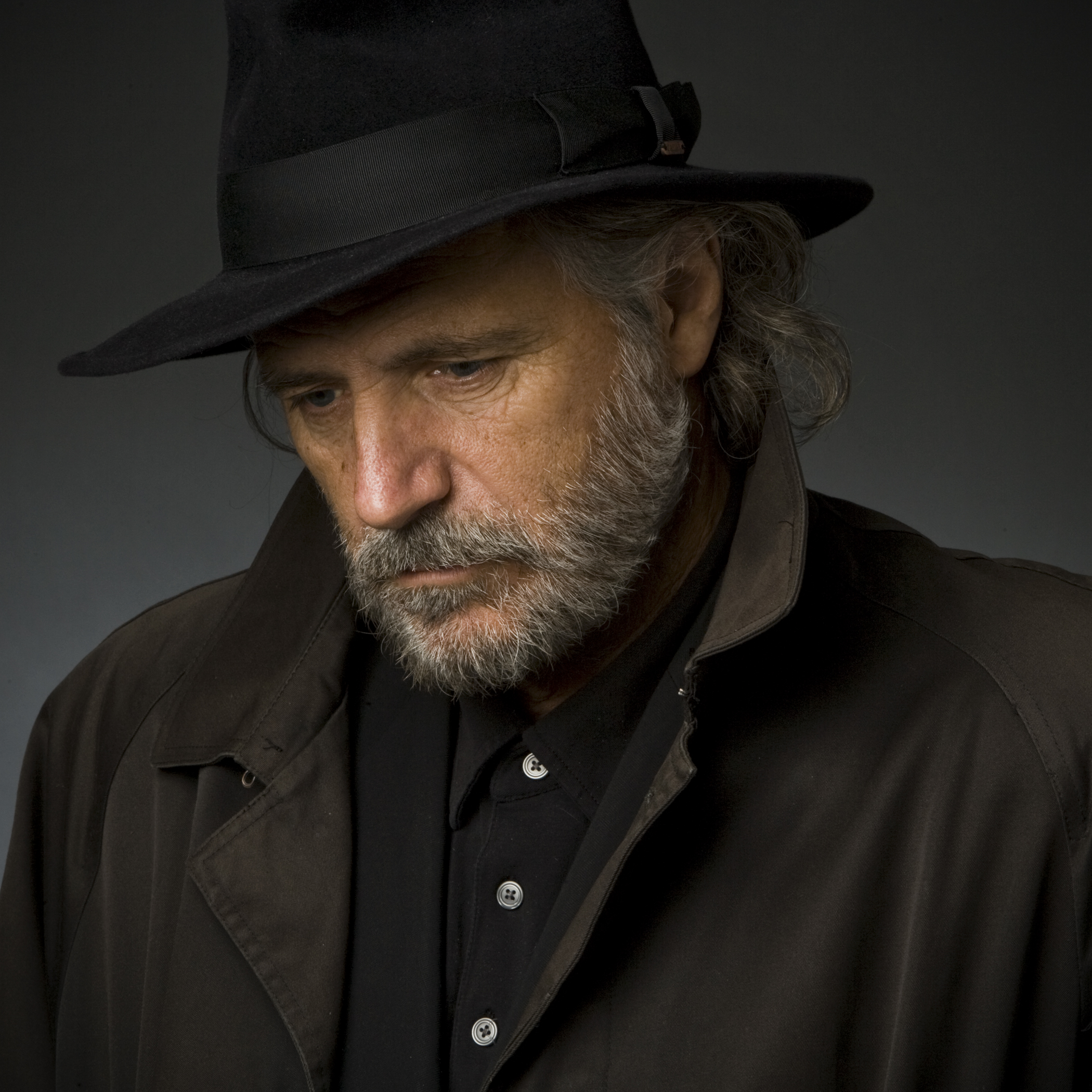
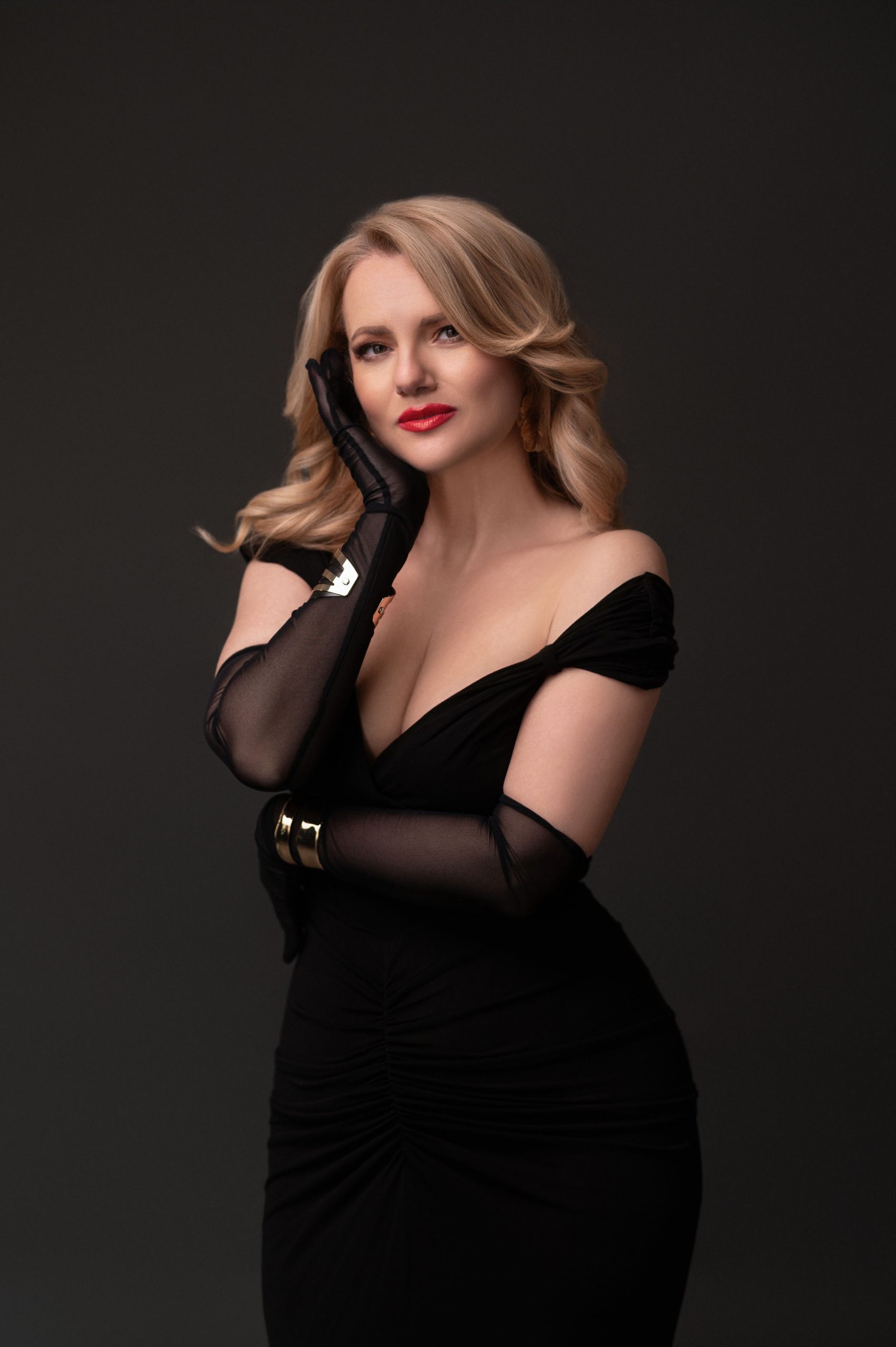

Danijela Pintarić , vocals
Filip Gjud , keyboards and music production
Mario Klaric , drums
Martin Petračić , bass guitar
The complex relationship between the stage and the screen is one of the most fascinating chapters in the history of 20th-century popular culture. Although musicals and film scores share common roots in European operetta, vaudeville, and music halls, their musical dramaturgies and technicalities have developed in completely different directions. The Broadway Meets Hollywood concert program offers a cross-section through these two spheres, blurring the boundaries between live stage narrative and cinematic illusion.
The development of the musical on Broadway was marked by the transition from the early musical comedy (in which popular musical numbers merely interrupted the plot) to what is called an integrated musical play . In such a mature form of musical, music becomes the main dramatic engine. Characters sing at the moment when the speech apparatus is no longer sufficient to express their psychological state. This is vividly illustrated in numbers such as the introverted monologue On My Own (from Les Misérables ) or the defiant finale Defying Gravity (from the musical Wicked ), where the key internal transition of the character occurs through music. Stephen Sondheim took this concept a step further; in his "conceptual musicals" the songs often function as lucid commentaries on the plot, which is crystal clear in the cynical The Ladies Who Lunch ( Company ) or the melancholic Send in the Clowns ( A Little Night Music ).
On the other hand, music written for film has historically had a significantly different purpose. From silent film, where music continuously "humanized" the two-dimensional, black-and-white image and masked the noise of the projector, to sound film, a strict division developed into diegetic (music whose source is present in the scene itself, e.g. a character listening to the radio) and extra-diegetic music (background music, so-called underscoring ). In traditional narrative film, extra-diegetic music serves to create continuity, underline the atmosphere and subliminally comment on the plot, without the characters themselves on screen being aware of its existence.
However, film musicals and narrative films with a strong pop music background have strongly intertwined these two worlds. Songs written specifically for the film (such as My Heart Will Go On from Titanic or I Have Nothing from The Bodyguard ) have taken on the role of great theatrical arias: they serve as the anchors of the entire film, but at the same time function as completely independent, highly commercial creations outside the cinema. This hybridity is further emphasized by "jukebox" musicals such as Mamma Mia! , where already existing, established pop hits are retroactively incorporated into a coherent theatrical structure, giving a popular song (The Winner Takes It All) a completely new dramatic subtext.
By separating the songs from their primary film or stage context, some of the original narrative layering and visual spectacle are necessarily lost. However, the chamber approach in return brings much-needed purification. Stripped of their lavish orchestration, these compositions reveal their solid dramaturgical and melodic construction. Their emotional charge is no longer based on the image on the screen, but arises exclusively from direct vocal performance, whereby these melodies cross the boundaries of their parent genre and continue to live as an autonomous part of the concert and vocal repertoire.
- Petra Crnčević
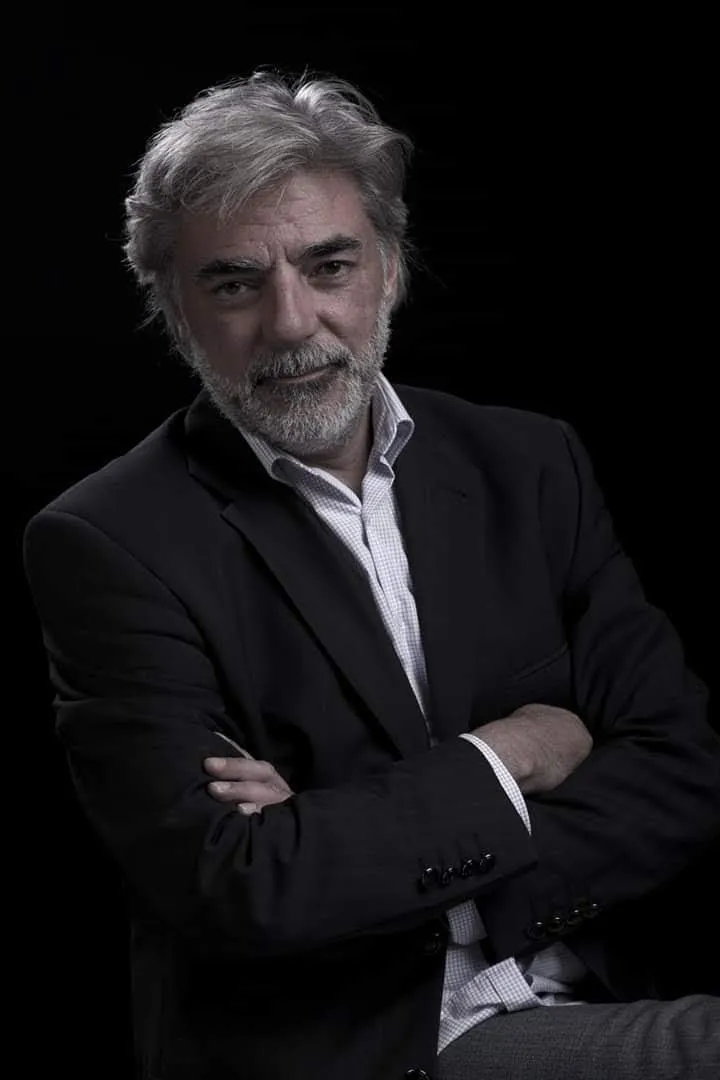
Danijela Pintarić graduated in violin and singing from the Zagreb Academy of Music, establishing herself over the past two decades as one of the leading Croatian performers in the musical genre. Her career is marked by exceptional versatility, a wide repertoire, and a masterful movement between musicals, operettas, and popular music. While still a student, she was noticed by director Vlado Štefančić and invited to audition for the musical Hair, produced by the Zagreb City Theatre Komedija. She made her debut on the stage of that theatre in 2003 as Sheila, and attracted the attention of the wider public a year later by winning the television competition Coca-Cola Music Stars.
Since 2006, she has been permanently engaged in the ZGK Komedija, where she has performed a number of notable roles, including those in the musicals Aida (Amneris), Briljantin (Sandy, Rizzo), Yalta, Yalta (Nina Filipovna), Legenda Ružice grada (Ružica), Mamma Mia! (Tanya), Byron (Maria), Beauty and the Beast (Babette) and in the operettas Lijepa Helena (Helena), Spli'ski akvarel (Marica) and Countess Marica (Liza). As a guest soloist, she has collaborated with the Croatian National Theatre in Zagreb, Aplauz Theatre and the Croatian National Theatre in Osijek ( Kings and Grooms , My Songs, My Dreams ). In 2016, she was awarded the Croatian Actors' Association Award for Best Female Role in a Musical or Operetta.
As a soloist, she continuously performs with renowned ensembles such as the Zagreb Philharmonic, the HRT Symphony Orchestra, the Zagreb Soloists, the Sarajevo Philharmonic, and the Montenegrin Symphony Orchestra. She has given concerts throughout Europe, as well as in the United States, Japan, Indonesia, and Morocco. She has also achieved notable success at popular music festivals: she is a two-time winner of the Krapina Kajkavian Singing Festival, third place winner at the Dora (2007 with the composition Moj svijet ), and winner of the Grand Prix at the Međimurje Festival (2020).
In addition to her performing career, she is also actively developing her teaching career. From 2011 to 2019, she worked as a senior artistic associate at the Academy of Arts and Culture in Osijek, and since September 2025, she has been the title lecturer of the Operetta and Musical Studies course at the Academy of Music in Zagreb, making her the first female professor of musicals in the history of domestic higher education.
Filip Gjud studied piano at the Academy of Music in Zagreb, and he perfected his composition and arranging skills at the prestigious Berklee College of Music in Boston. As a pianist, keyboardist and music producer, he continuously collaborates with a number of prominent musicians on the domestic scene, as well as with leading theater and television companies. He is extremely active as an author of music and arrangements in a number of domestic musicals, theater plays and music written for digital media. He has received multiple awards for his work at the domestic and international level.
Mario Klarić received his musical education in the United States at The Collective School of Music in New York, after which he began an intensive performing career in Croatia and abroad. As a highly sought-after studio and concert musician, he has collaborated with numerous prominent names such as Filip Gjud, Ante Gela and Nina Badrić. His performing quality is also confirmed by his profession; he is a five-time winner of the Status Award of the Croatian Music Union for the most outstanding instrumentalist in the drum category.
Martin Petračić graduated from the Academy of Music in Zagreb. As an orchestral, studio and concert musician, he has collaborated extensively with a large number of domestic and international orchestras and soloists. He is a permanent member of the orchestra of the Zagreb City Theatre Komedija and a two-time winner of the prestigious Guild Award Status, presented by the Croatian Music Union.
Andrew Lloyd Webber / Tim Rice
Buenos Aires (from the musical Evita)
John Kander / Fred Ebb
Maybe This Time (from the movie Cabaret)
Claude-Michel Schönberg / Alain Boublil / Herbert Kretzmer
On My Own (from the musical Les Misérables)
Stephen Sondheim
The Ladies Who Lunch (from the musical Company)
Benj Pasek / Justin Paul
Never Enough (from the movie The Greatest Showman)
Jim Steinman / Dean Pitchford
Holding Out for a Hero (from the movie Footloose)
Stephen Sondheim
Send in the Clowns (from the musical A Little Night Music)
Henry Krieger / Tom Eyen
One Night Only (from the musical Dreamgirls)
Andrew Lloyd Webber / TS Eliot / Trevor Nunn
Memory (from the musical Cats)
Jeanine Tesori / Dick Scanlan
The Girl in 14G
Giorgio Moroder / Keith Forsey / Irene Cara
What a Feeling (from the movie Flashdance)
David Foster / Linda Thompson
I Have Nothing (from the movie The Bodyguard)
Benny Andersson / Björn Ulvaeus
The Winner Takes It All (from the musical Mamma Mia!)
Stephen Schwartz
Defying Gravity (from the musical Wicked)
James Horner / Will Jennings
My Heart Will Go On (from the movie Titanic)
Alfi Kabiljo / Milan Grgic
What will happen tomorrow (from the musical) Yalta, Yalta)
Eric carmen (based on a musical motif by Sergei Rachmaninoff)
All By Myself (from the movie Bridget Jones's Diary)
Dolly Parton
I Will Always Love You (from the movie The Bodyguard)